
the american dream interrupted
A mixed-status family’s fight to remain together becomes a powerful examination of how America defines safety, belonging, and justice and whether its promises still hold.
synopsis
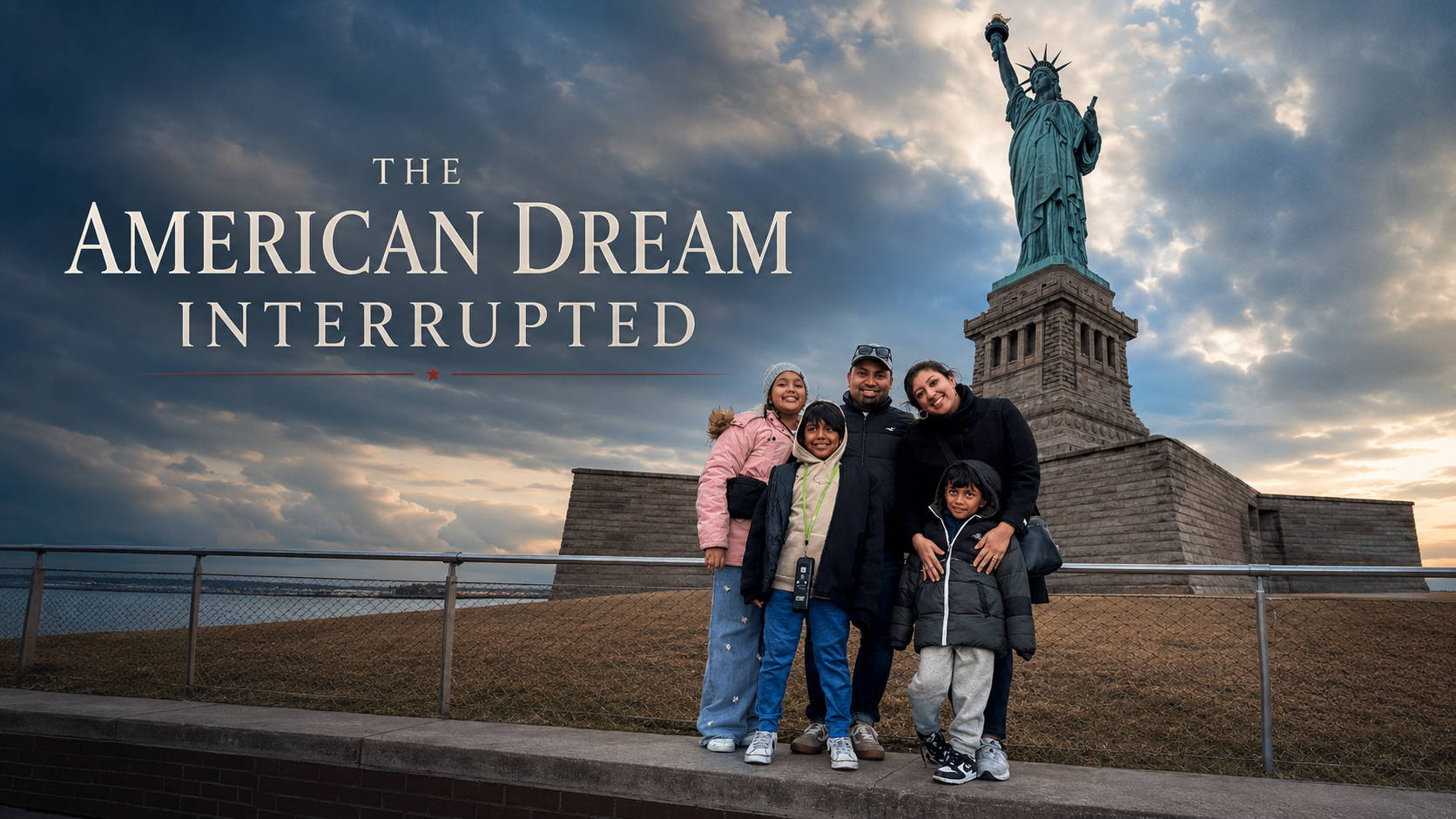
The American Dream Interrupted follows Ivania, a joyful and driven mother of three whose life reflects stability, faith, and deep commitment to her community. Outwardly, her family embodies the very ideals America celebrates. What few people see is that her husband, Teito, has lived undocumented throughout their marriage, and their family’s future depends on an immigration system that can shift without warning.
After eleven years together, Teito is given an opportunity to adjust his status but the process requires him to return to Honduras, leaving his wife and children behind and trusting that he will be allowed to come home. As he faces the uncertainty of separation and bureaucracy, Ivania steps into life as a temporary single mother, holding her family together with resolve, faith, and determination.
Intimate and character-driven, the film moves beyond one family’s struggle to examine the larger questions their journey raises. Through their experience, The American Dream Interrupted explores how America defines safety, belonging, and justice, and what happens when those promises feel conditional.
At its heart, this is a story about love, dignity, and the quiet courage required to keep believing in a dream that is constantly at risk.
DIRECTOR’S STATEMENT
I am making The American Dream Interrupted to document this moment in history with honesty and bold clarity.
I know this family. Ivania is my colleague. I have watched her serve her community with generosity, faith, and consistency. Seeing families like hers reduced to stereotypes of threat and criminality is not abstract to me it is personal.
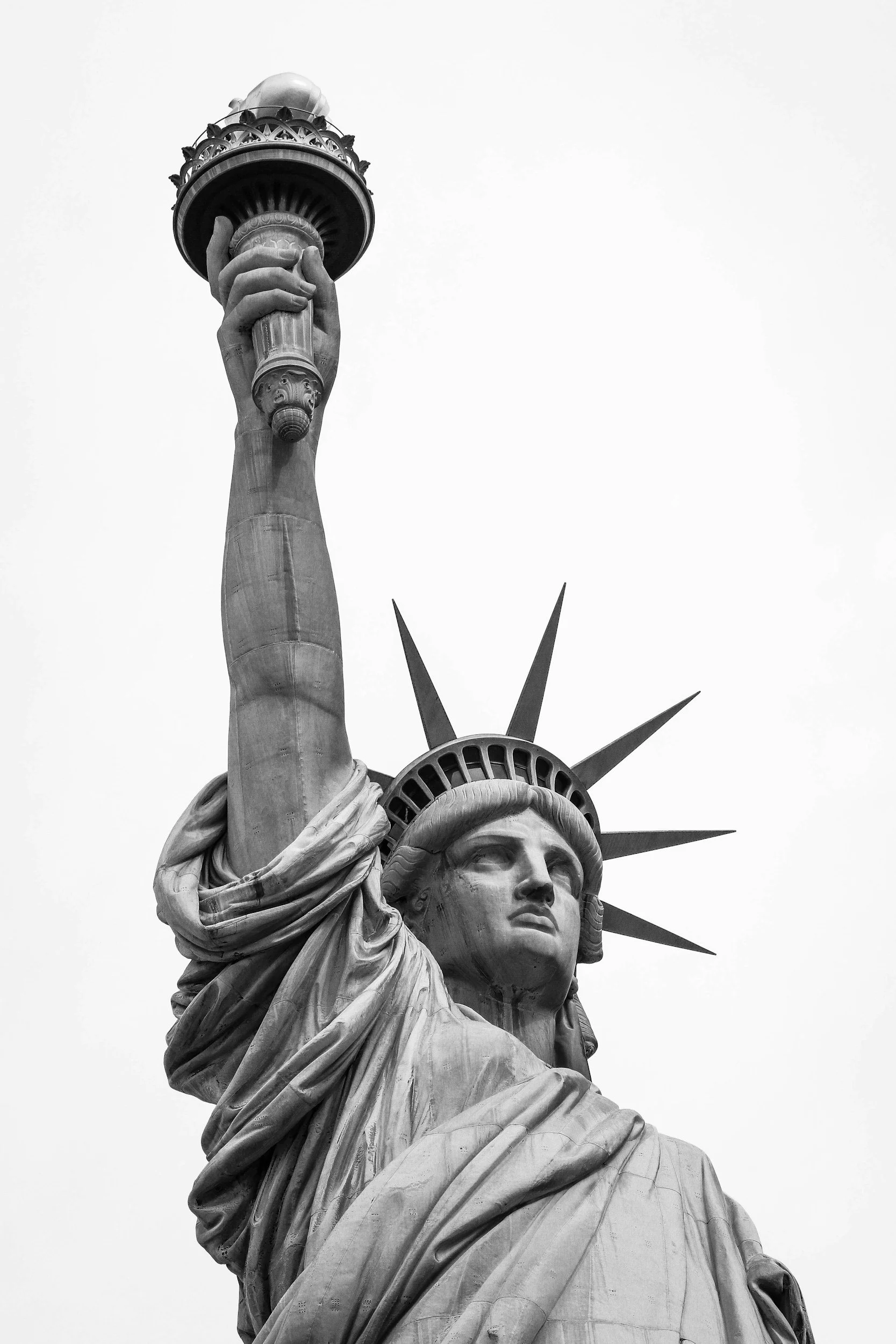
I was taught that America stands for liberty and justice for all. Yet when I place those ideals beside American history land taken, people enslaved, cultures suppressed, and policies that determine who is worthy of protection I see contrast. When I hear the language of safety and order used alongside fear and separation, I notice it.
As a Puerto Rican woman with Taíno, African, and European ancestry, I understand what it means for identity to be erased and belonging to be defined by power. That perspective shapes how I see this moment.
I also know the language of scripture. I recognize when it is quoted in public defense of enforcement and when it is quietly lived through compassion and sacrifice inside homes like the Amador family’s. By placing these realities side by side, this film allows the contrast to speak.
This story lives at the intersection of American identity, immigration policy, and Christianity in public life. It asks: How did we arrive here? And what would it take to truly live the ideals we claim?
My hope for this film is layered.
For Latino communities especially those who have lived under suspicion or silence I hope this story feels like recognition. Like being seen fully. Like someone finally said, “Your life matters. Your faith matters. Your dignity matters.”
For other Americans, I hope this film is an invitation. An invitation to recognize their voice, their power, and their responsibility in shaping a country that truly reflects its stated ideals. Justice and protection should not feel selective. They should feel shared.
I want this film to leave audiences not with outrage, but with clarity and with the belief that fairness is not impossible when we choose it together.
I am investing my time, energy, and personal resources into this project because documenting this moment matters. Some contrasts are uncomfortable. But they are necessary.
Media Coverage
THEMES
BELONGING
Who is recognized within the American promise and who must fight to be seen?
FAMILY UNDER PRESSURE
The emotional and spiritual cost of immigration processes on love and stability.
FAITH IN PUBLIC LIFE
How scripture moves between political rhetoric and private devotion — and what that contrast reveals.
POWER & POLICY
How systems define safety, protection, and the boundaries of inclusion.
-

Amelia Ross
Director
Amelia is an award-winning filmmaker, artist, and activist whose work bridges faith, justice, and storytelling. She earned Best Original Music at the 2025 72 Hour Film Festival in Frederick, Maryland, and received a CHESPRA Award of Excellence in 2020 for outstanding work in school communications. A 2016 University of Maryland Film Festival winner for Best Short Documentary, Best Advocacy Film, and Best Screenplay, Amelia holds a Bachelor of Arts in Communication from the University of Maryland. As founder of Nu Vizion Films, she creates purpose-driven stories that challenge division and affirm that through faith, all things are possible.
-

Xavier Jerome
Cinematographer/ Editor
Xavier is a filmmaker and editor specializing in cinematic storytelling through his production company, Wolph Studios. He has built a growing portfolio as a freelance videographer and creative editor, known for capturing authentic emotion and visual detail.
Currently, he is expanding his work into documentary filmmaking, focusing on short-form projects that explore real stories with depth and purpose. With a strong technical foundation and an eye for human connection, Xavier brings fresh perspective, dedication, and artistry to every project he takes on.
PARTNERSHIPS
ACLU of Maryland exists to empower Marylanders to exercise their rights so that the law values and uplifts their humanity.
The mission of the R.I.S.E. Coalition of Western Maryland is to serve, elevate and empower the immigrant community in Western Maryland. The Coalition will accomplish this by helping to further unite current efforts on the ground amongst diverse immigrant communities and their allied neighbors.
For decades, CASA has been advocating for legislative change in the Maryland General Assembly. CASA's policy team works to ensure that immigrant voices are heard and amplified in Annapolis. From annual lobby events with legislators, to tireless organizing efforts, CASA is committed to moving forward meaningful immigration reform in Maryland.
PRODUCTION TIMELINE
PRODUCTION TIMELINE
OCT – NOV 2025
Frederick, MD
During this phase, our team will continue principal photography for The American Dream Interrupted, focusing on the broader social and political context of immigration in Frederick, Maryland.
december 2025
Honduras
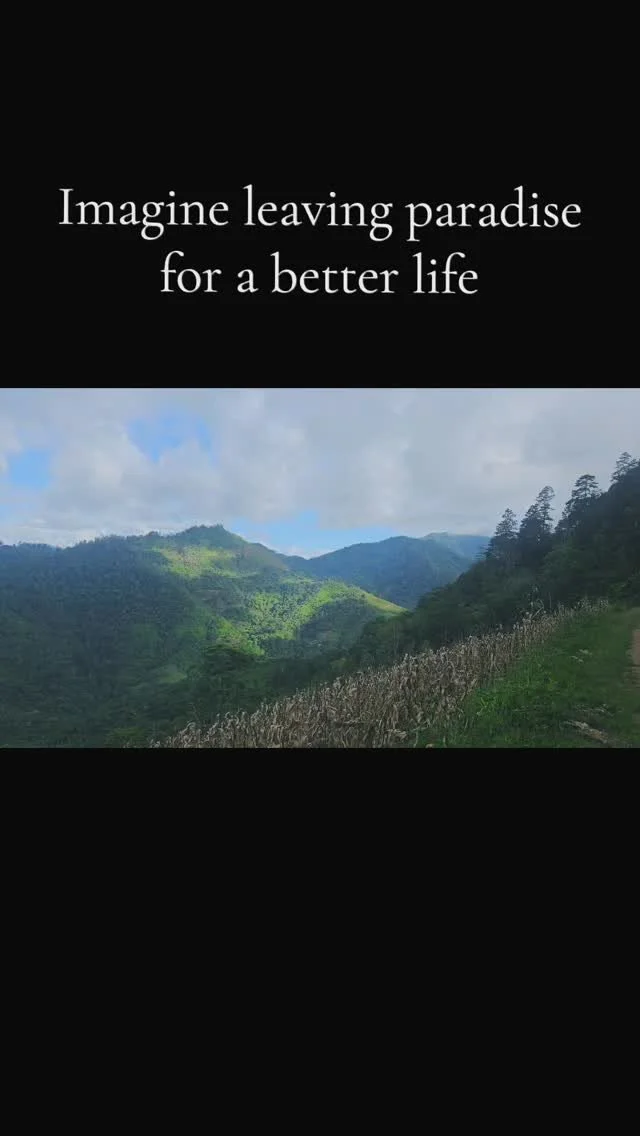
In December, our team will travel with the family to Honduras to capture the environment and community that shaped Teito’s early life and to better understand the realities driving migration from the region.
Jan – april 2026
Annapolis, MD
From January through April, our team will document the fight to end the 287(g) program, following local advocates from the ACLU and CASA as they travel to Annapolis to push for legislative change on behalf of immigrant families.
May 2026
Hagerstown, MD
In May, our team will complete final production for The American Dream Interrupted. This phase will focus on capturing the family’s reflections as their journey reaches a pivotal moment.
June – Aug 2026
Frederick, MD
From June through August, our team will focus on final post-production, locking in the story and refining the film’s emotional rhythm. During this phase, we will complete music integration, color correction, and sound design to bring the film to its finished form.
october 2026
Frederick, MD
In October, we plan to host a local premiere of The American Dream Interrupted in Frederick, Maryland, during the Hispanic Heritage Celebration.
get involved
-

Become a Supporter
-

Host a screening at your school, church, or organization.
-

Partner with us as an advocate or community collaborator.
-

For updates on screenings, releases, and new projects
Who This Film is For
Primary Audiences
-
Those directly impacted by U.S. immigration laws will see their truth reflected and their voices amplified.
-
Churches, pastors, and believers who are grappling with how faith, justice, and immigration intersect.
-
Activists, lawyers, and organizers working toward immigrant rights, policy change, and systemic reform.
-
College classrooms studying immigration, social justice, family studies, and American policy.
-
Viewers drawn to personal, purpose-driven storytelling with emotional depth and political relevance.